How to Read a Coffee Bag Label (and Actually Understand It)
Roast date, origin, process, altitude — what the words on the bag really tell you, and what to ignore.
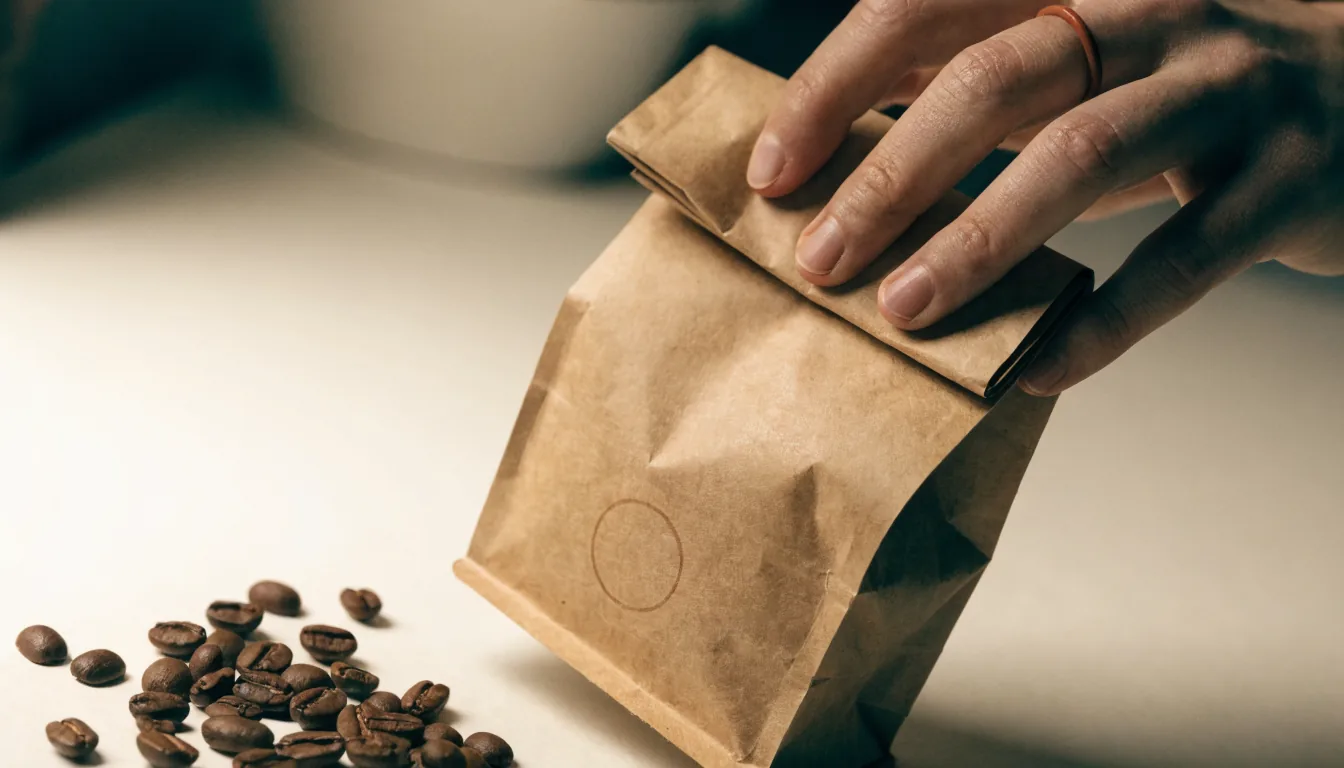
A good bag of coffee is covered in useful information — if you know how to read it. Learn what a handful of words mean and you'll be able to walk up to any shelf and pick a coffee you'll enjoy, instead of guessing by the prettiness of the packaging. Here's how to decode a specialty coffee label, in the order that actually matters.
Roast date — read this first
The single most important thing on the bag is the roast date. Coffee isn't like wine; it doesn't improve with age. It's at its best from a few days after roasting to about three or four weeks, then slowly fades. A clear, recent roast date is the strongest sign you're buying fresh coffee. If a bag shows only a far-off "best before" and hides the roast date, that usually means it was roasted long ago and shipped to sit on a shelf. It's exactly why we roast to order and print the date.
Origin — where it's from
Next, look for the origin: the country, and ideally the region, farm or cooperative. Coffee is an agricultural product, and where it grows shapes how it tastes, much like wine. As a rough guide, East African coffees (Ethiopia, Kenya) tend toward bright, floral and fruity; Central and South American coffees (Colombia, Brazil, Guatemala) lean nutty, chocolatey and balanced. The more specific the origin, the more traceable — and usually the more carefully produced — the coffee.
Single origin vs blend
A single origin comes from one place and is meant to showcase that place's distinct character — it's the choice when you want to explore. A blend combines beans from several origins to build a specific, consistent flavour that stays the same all year, which is why blends make such reliable everyday and espresso coffees. Neither is "better"; they're for different moods.
Process — how the fruit was removed
Coffee beans are the seeds of a cherry, and the "process" is how that fruit was removed after picking. It has a surprisingly large effect on flavour:
- Washed (or wet): the fruit is stripped before drying. Clean, crisp and bright — the character of the bean shows clearly.
- Natural (or dry): the cherry dries whole around the bean. Fruity, sweet, heavy-bodied, sometimes wine-like.
- Honey / pulped natural: a middle path — some fruit left on during drying for extra sweetness and body.
Altitude, variety and roast level
You'll often see an altitude (something like 1,800 masl); higher-grown coffee tends to be denser and more complex. You may also see the variety (Bourbon, Typica, Geisha and so on), which is the coffee plant's cultivar — nice detail for enthusiasts. And most bags state a roast level, from light to dark, which tells you the overall style to expect. If roast level isn't listed, our guide to roast levels will help you judge it by eye.
Tasting notes — a map, not a menu
Finally, those evocative tasting notes — "jasmine, peach, brown sugar." Nothing is added to the coffee; these are flavours the roaster tastes in the cup and shares to point you toward its character. Treat them as a helpful map. If a note sounds delicious to you, there's a good chance you'll enjoy the coffee.
What you can safely ignore
Marketing words with no legal meaning — "gourmet," "premium," "barista blend" — tell you nothing on their own. And a mountain on the bag isn't proof of quality. Trust the roast date, the origin, and the process. Get those three right and you'll rarely be disappointed.
Common questions
What's the most important thing on a coffee label?
The roast date. Coffee is freshest in the weeks after roasting, so a recent roast date tells you more about quality than almost anything else. If a bag only shows a distant "best before" and no roast date, treat that as a warning sign.
What does "single origin" mean?
It means the coffee comes from one place — a single country, region, or even a single farm — rather than being blended from several. Single origins highlight a distinct character; blends are crafted for balance and consistency.
What is coffee "process" and does it matter?
Process is how the fruit was removed from the bean after picking. Washed coffees taste clean and bright, naturals taste fruity and heavy, and honey-processed sits in between. It has a big effect on flavour, so it is well worth noticing.
Should I trust the tasting notes on the bag?
Think of them as a guide, not a promise. Notes like "blueberry" or "chocolate" describe flavours the roaster tastes, not added ingredients. They point you toward the coffee's character, which is genuinely useful when choosing.